How can researchers turn their expertise into meaningful collaborations with industry? And what does it take to bridge the gap between academic research and real-world business needs?
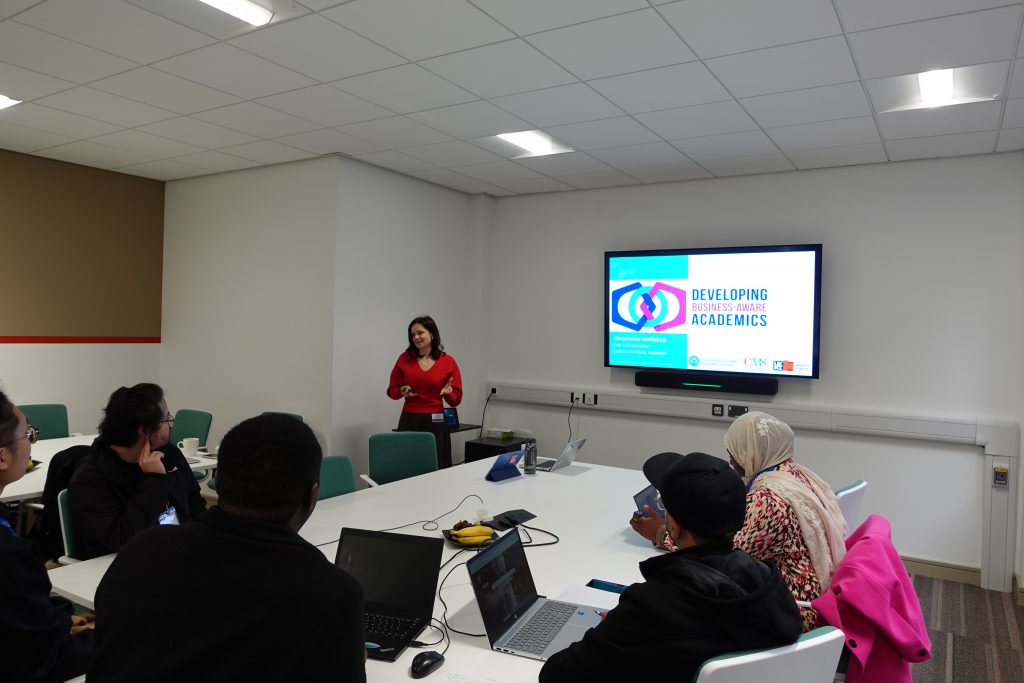
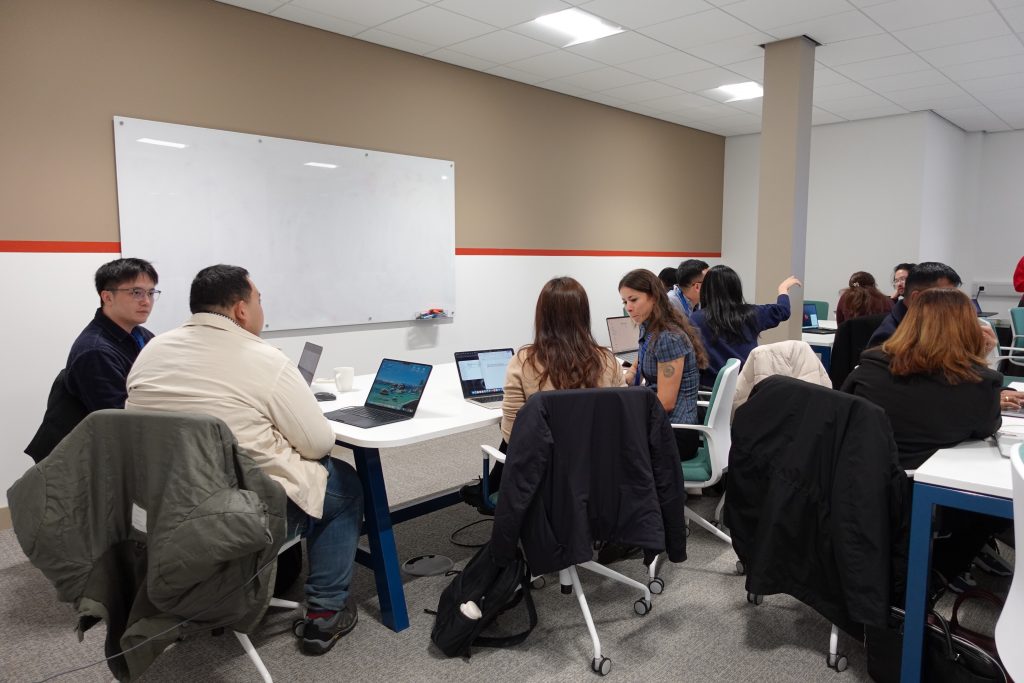
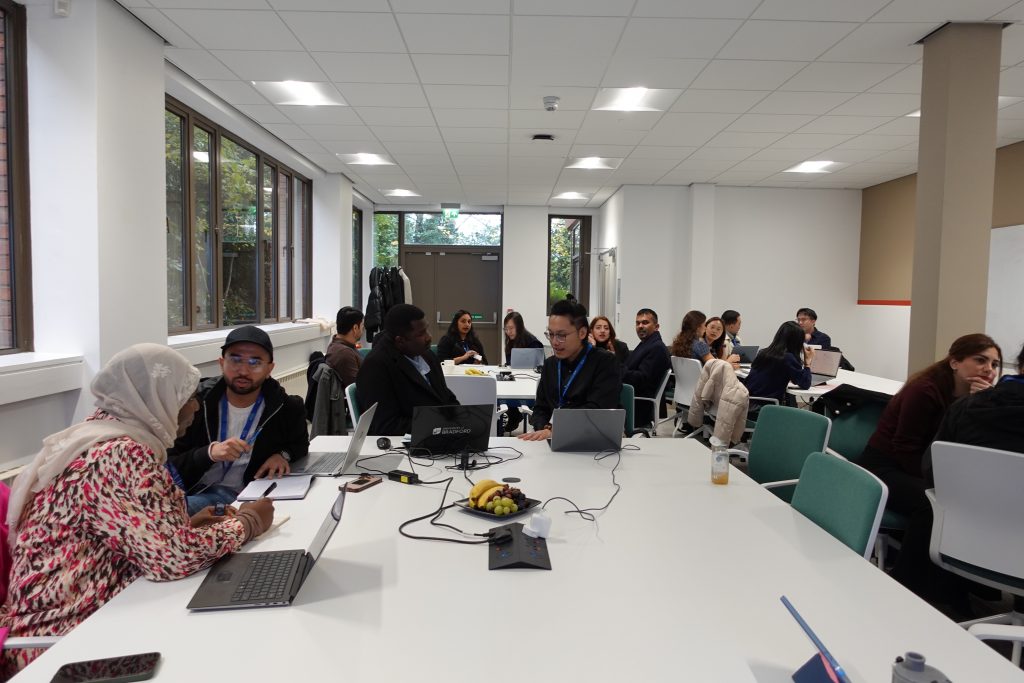
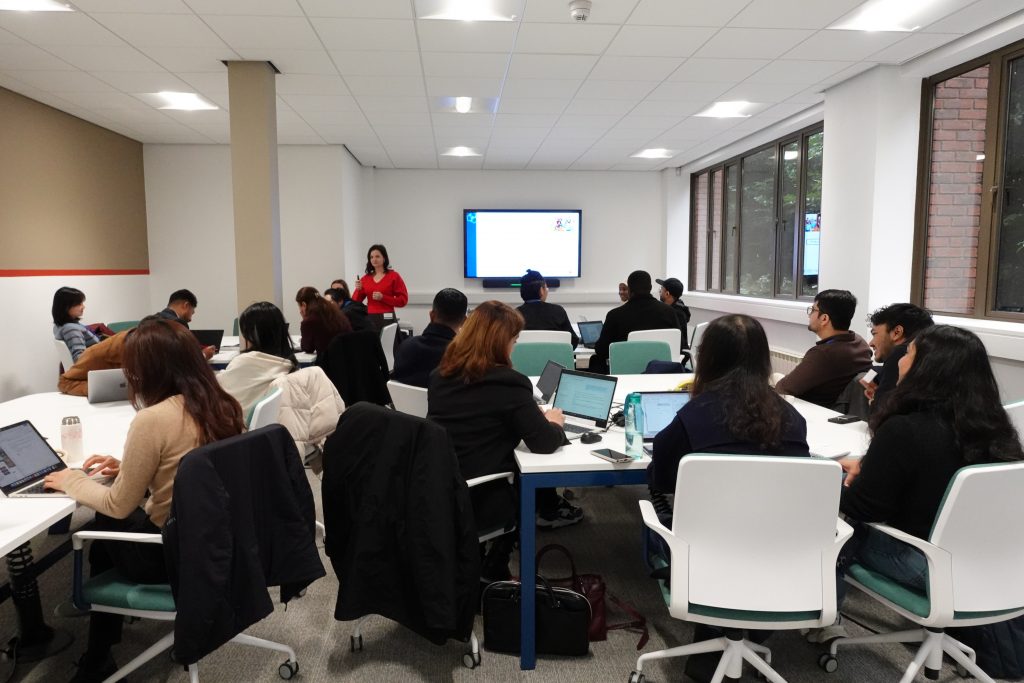
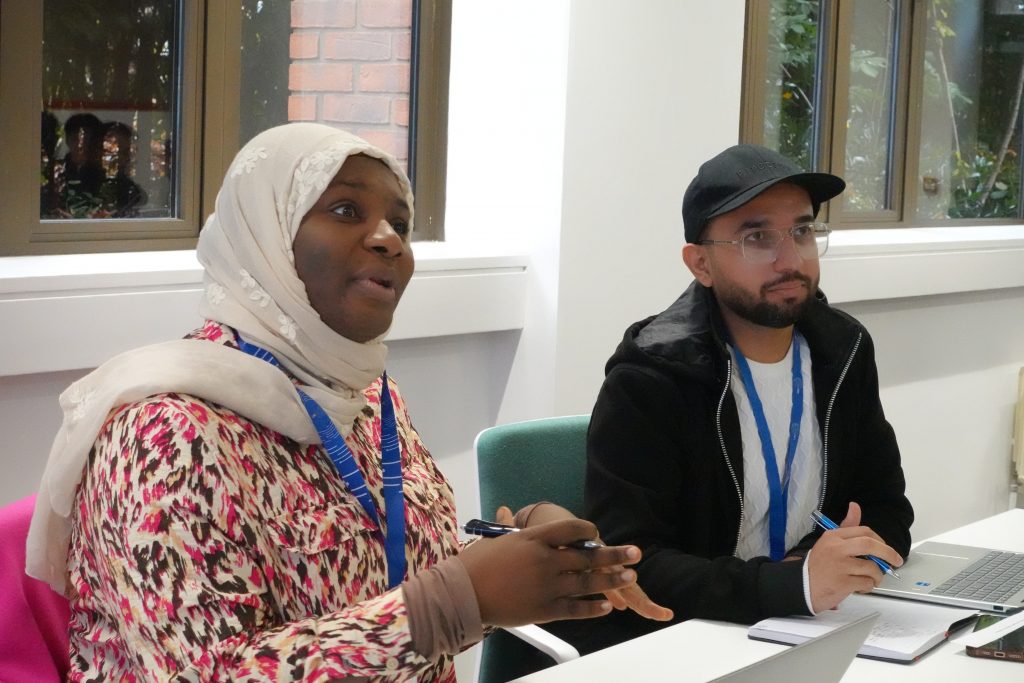
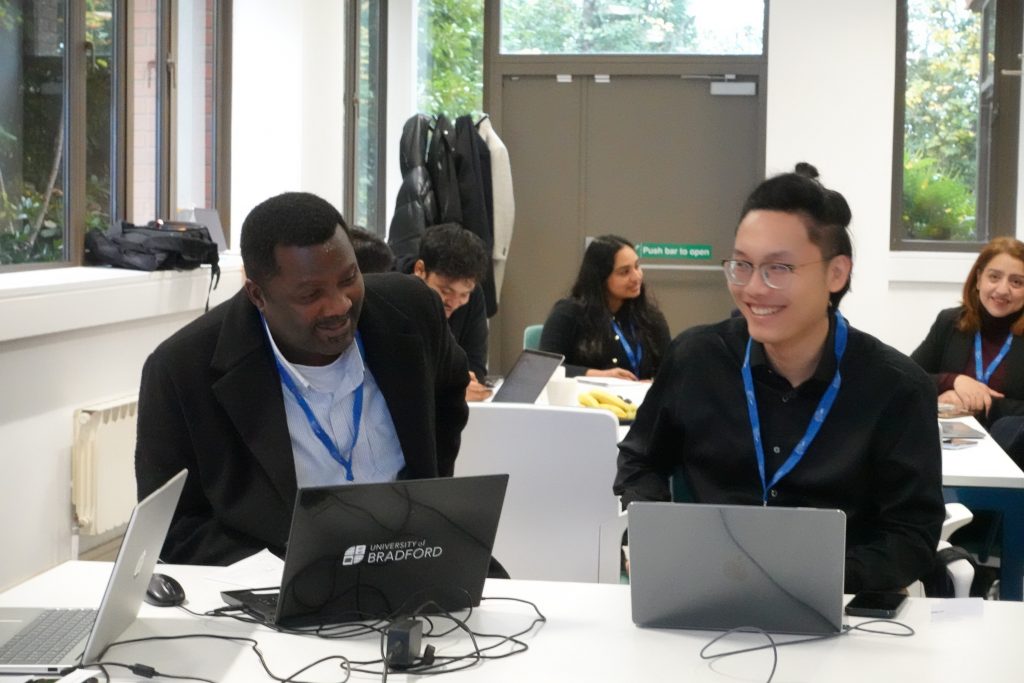
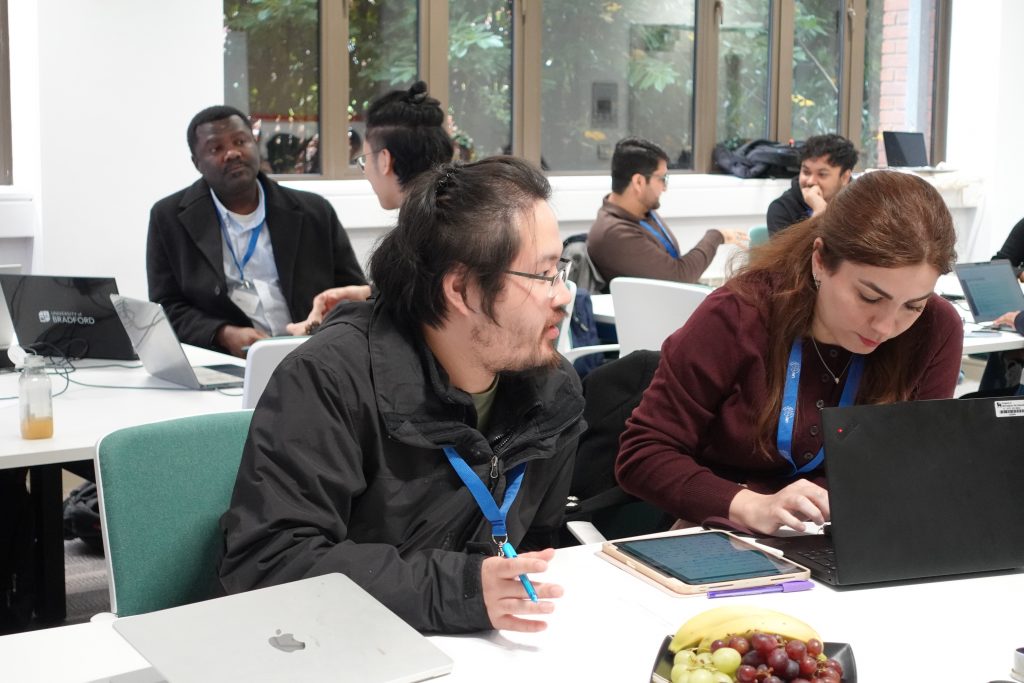
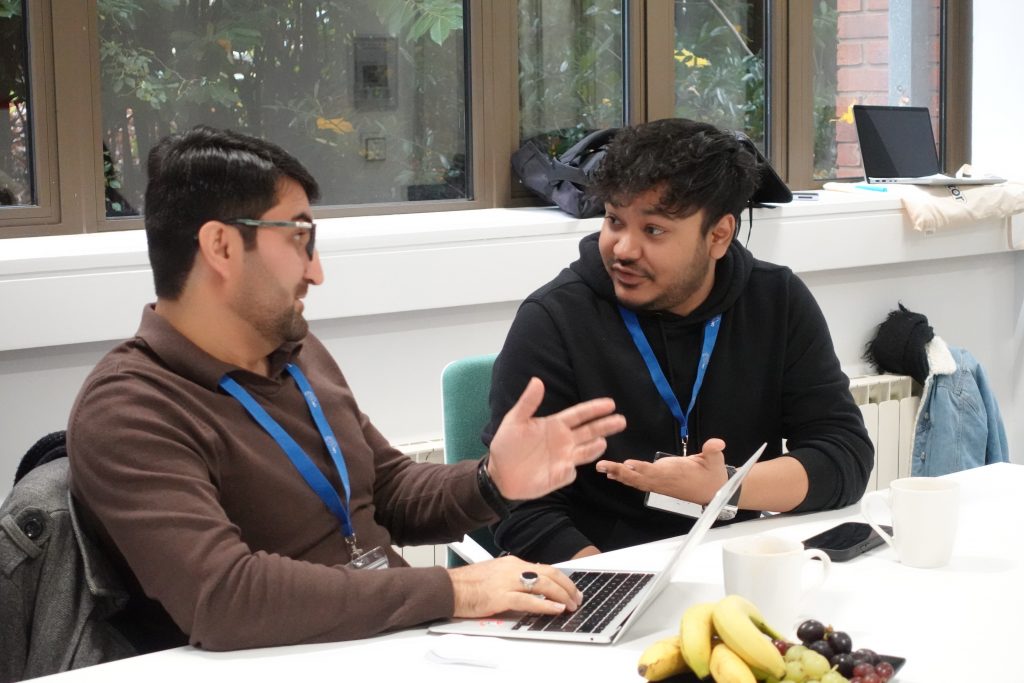
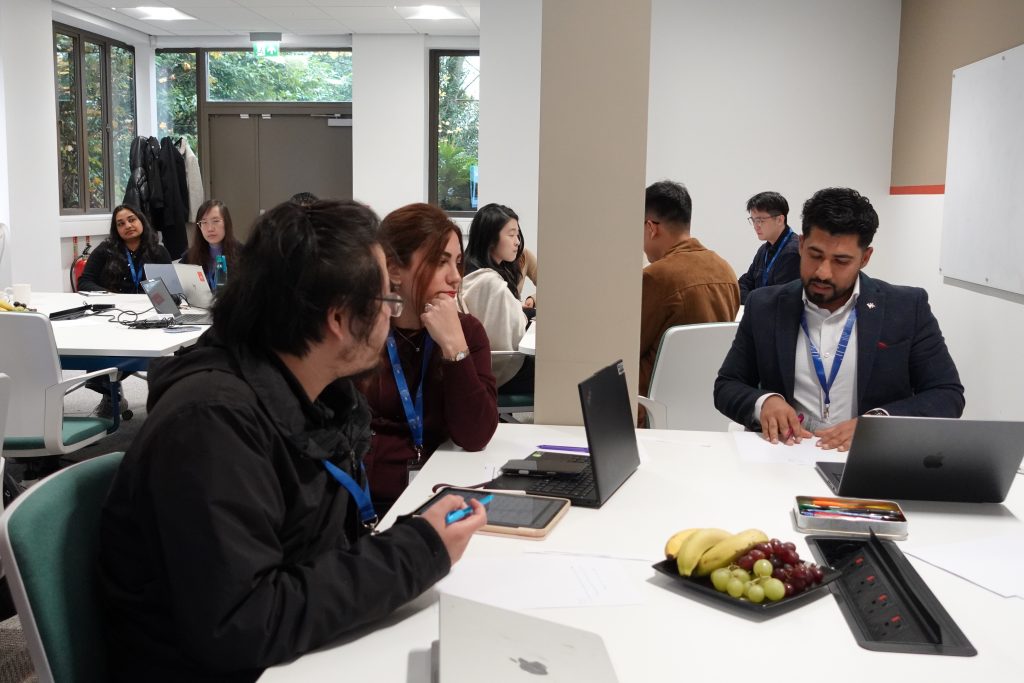
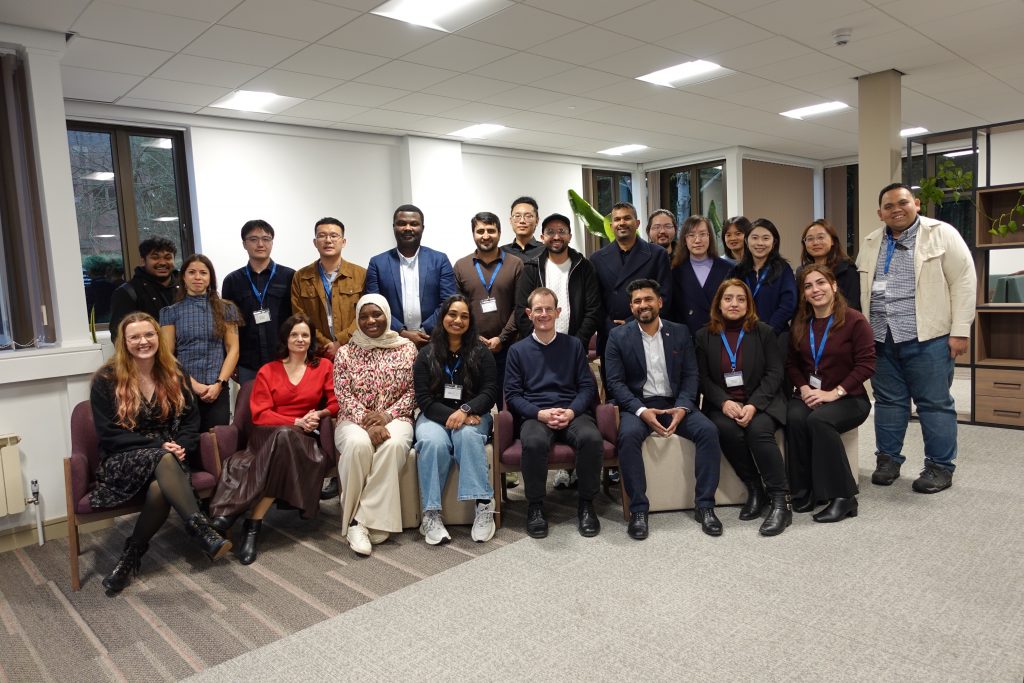
These were some of the questions explored on 11th November, when UKFin+ hosted the first workshop of the Developing Business-Aware Academics (DBAA) programme at the University of Birmingham. The workshop brought together PhD students and early-career researchers from universities across the UK, representing a diverse mix of disciplines, including finance, business, artificial intelligence, computer science, cybersecurity and mathematics. Although their research interests varied considerably, participants shared a common ambition to understand how their knowledge and expertise could make a difference beyond academia.
The workshop marked the beginning of a three-part pilot programme designed to explore how PhD students and early-career researchers can be better supported in developing the skills, confidence and understanding to engage with businesses and other non-academic organisations. The Developing Business-Aware Academics (DBAA) initiative is testing different approaches to researcher development, combining practical training, direct exposure to industry and opportunities to build professional connections.
The Art of Research Communication
One of the first challenges researchers face when engaging with industry is explaining what they do in a way that resonates with people outside their academic discipline. Academic research is often highly specialised, and researchers naturally become accustomed to communicating with others who share their technical knowledge. However, when speaking with businesses, policymakers or potential collaborators, the same language may not be effective.
The morning began with practical exercises exploring how to communicate complex research clearly, using relatable examples and adapting the message to different audiences. A further exercise, the Jargon Buster, encouraged researchers to recognise how easily technical terminology can create barriers to understanding. Clear communication is not about simplifying the value of research, but about making that value understandable to the people who could benefit from it.
Networking is more than exchanging business cards
Building on the communication exercises, Helen Orpin explored how researchers can approach networking with greater confidence and purpose. For many people, networking can feel uncomfortable, particularly when entering unfamiliar professional environments. Yet good connections rarely begin with a formal proposal. More often, they start with curiosity, a shared interest or a simple conversation. The session examined how to prepare for networking opportunities, initiate and develop conversations, ask useful questions and follow up afterwards. Importantly, networking was presented as a two-way exchange. Researchers do not need to approach industry representatives simply looking for opportunities or support. They bring their own knowledge, perspectives and expertise to the conversation, which may be equally valuable to the person they meet.
Understanding intellectual property
An important consideration when engaging with external organisations is understanding how to discuss research without unintentionally disclosing commercially sensitive information. Fang Huang, from University of Birmingham Enterprise, introduced participants to the fundamentals of intellectual property (IP) and its relevance to networking and collaboration. Using practical examples, Fang explored how research can develop into commercially valuable innovations and the different routes through which universities support this process. The discussion highlighted the importance of communicating the problem being addressed and the benefits of a solution without necessarily revealing the technical details behind it. For researchers, understanding when to seek advice on IP, confidentiality and potential commercial opportunities is an important part of developing confidence in external engagement.
Seeing research through an industry lens
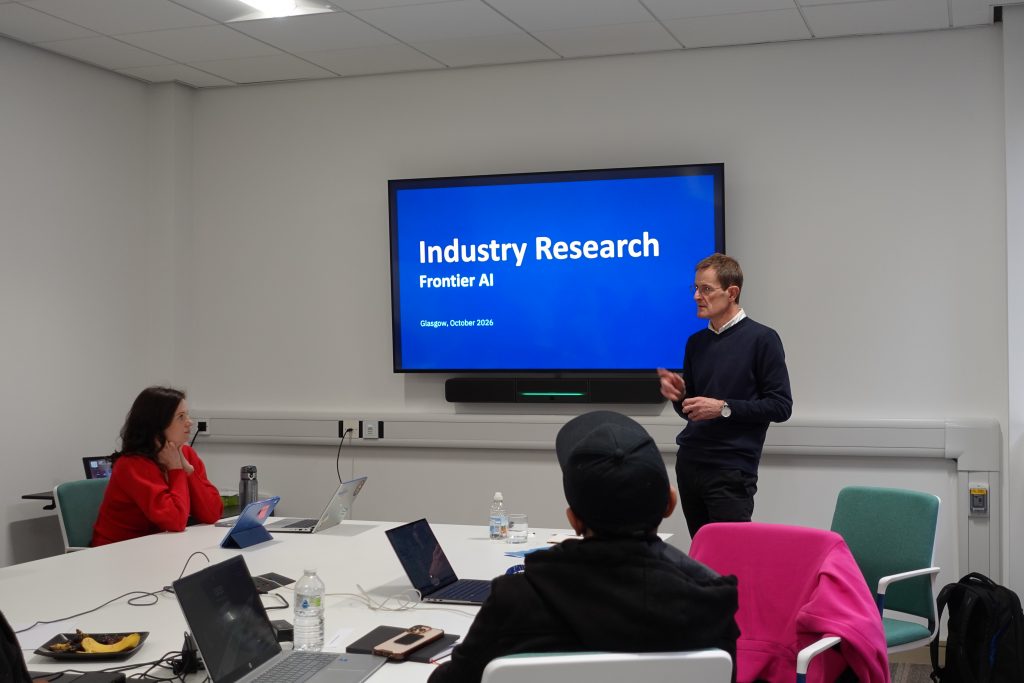
The afternoon began with an industry perspective from Ian Gourlay – Co-founder of SolasOS, who explored the challenges organisations face in maintaining employee engagement during periods of significant change. Drawing on examples of organisational disruption, changing workplace expectations and the growing adoption of artificial intelligence, Ian highlighted the human dimensions of business transformation. His presentation raised important questions about how organisations balance technological innovation with employee wellbeing, trust, leadership and engagement.
The discussion gave researchers an opportunity to consider how academic expertise could contribute to complex organisational problems without straightforward technical solutions. It also demonstrated the value of looking beyond the immediate problem presented by a business to understand the underlying organisational, behavioural and strategic factors. Ian’s contribution will continue into the next stage of the programme, with further exploration of employee engagement and potential research opportunities at the UKFin+ Annual Research Showcase in Edinburgh.
From initial conversations to structured collaboration
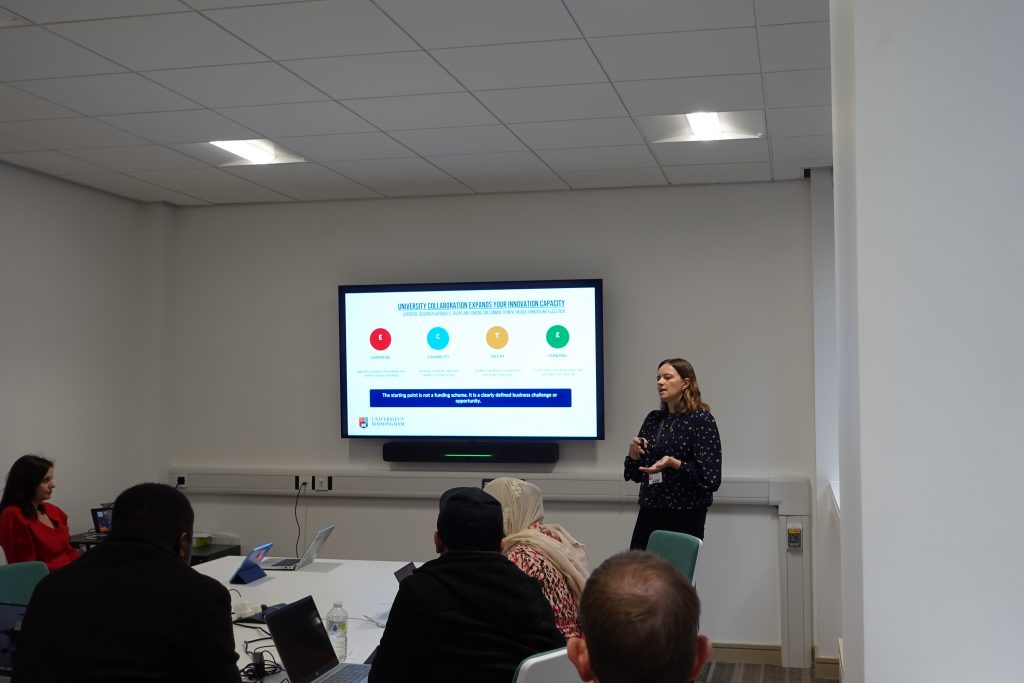
Recognising a potential opportunity is only the beginning. Turning that opportunity into a successful partnership requires an understanding of how universities and businesses can work together. Rachael Egglestone, Business Engagement Partner at the University of Birmingham, explored the different routes available for collaboration with external organisations. These ranged from initial discovery conversations and consultancy to collaborative research, Knowledge Transfer Partnerships, sponsored research and longer-term strategic partnerships. Different relationships require different approaches, depending on the nature of the problem, the resources available, timescales and the intended outcomes. The session also highlighted the role of university business engagement and enterprise teams in helping researchers identify suitable partners, scope opportunities and navigate the practical processes involved.
The workshop concluded with an introduction to online platforms, industry networks and other resources that researchers can use to discover potential collaborators and opportunities beyond their existing academic networks. At the end of the workshop, researchers shared some of their experiences engaging with companies, including challenges they encountered when working with businesses.
Testing New Approaches to Research–Industry Engagement
While it is too early to assess the programme’s longer-term impact, the workshop provided a valuable opportunity to explore the skills and support researchers need when engaging with industry. The next two activities, including the FIS workplace visit and the interactive industry session at the UKFin+ Annual Research Showcase, will allow participants to put some of their learning into practice in real-world settings.
An important part of the pilot will be gathering feedback and reflecting on participants’ experiences across all three activities. These insights will help evaluate the approach and identify what could be improved or developed further. Ultimately, the ambition extends beyond delivering a successful series of events. It is about understanding how universities can better equip researchers to build meaningful relationships with organisations outside academia, and how those relationships can create opportunities for research to contribute to real-world problems. Effective academic–industry collaboration does not begin with a funding application or a formal agreement. It begins with understanding each other and often, with a conversation.
Acknowledgements
Thank you to all the researchers who joined us and contributed so openly to the discussions and activities throughout the day. We are particularly grateful to our guest speakers Ian Gourlay (Solas OS), Fang Huang (University of Birmingham Enterprise) and Rachael Egglestone (University of Birmingham) for sharing their expertise and practical perspectives.
The Developing Business-Aware Academics initiative is supported by Research England and delivered through a collaboration involving the University of Exeter Business School and the Chartered Association of Business Schools. UKFin+ Network is delighted to contribute to this initiative by bringing researchers together with the financial services and FinTech community.
Find out more about the DBAA initiative: www.business-aware-academics.org